Heritage & Culture

Mayilai: the place of the peacock.

Mylapore, or Thirumayilai, is older than Madras. The name comes from the legend of Karpagambal worshipping Shiva as a peahen — mayil in Tamil. The same square mile holds an apostle’s tomb, a 19th-century math, and streets that still fill for Panguni.

Featured
Kapaleeswarar Sannadhi Street, 600004

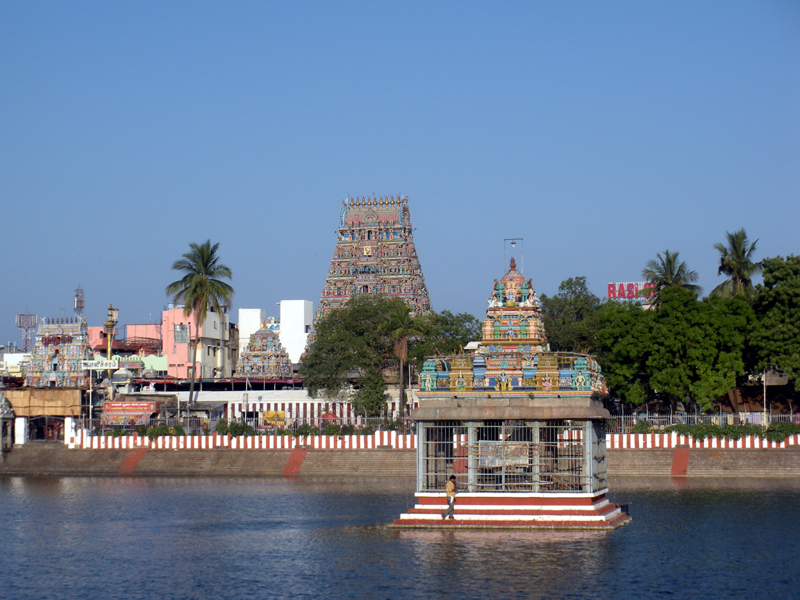
Kapaleeshwarar Temple and the tank at the centre of the neighbourhood

A Paadal Petra Sthalam praised in the Tevaram. The present masonry was built by the Vijayanagara Tuluva dynasty (1491–1570). The tank is roughly 190 × 143 metres, with a sixteen-pillared mandapam in the water.
From the archive

Landmarks first mapped on mymylapore.com

The older site documented these six places for visitors and residents. The facts below combine that archive with current public sources.

Kapaleeshwarar Temple tank and gopurams
Shiva temple

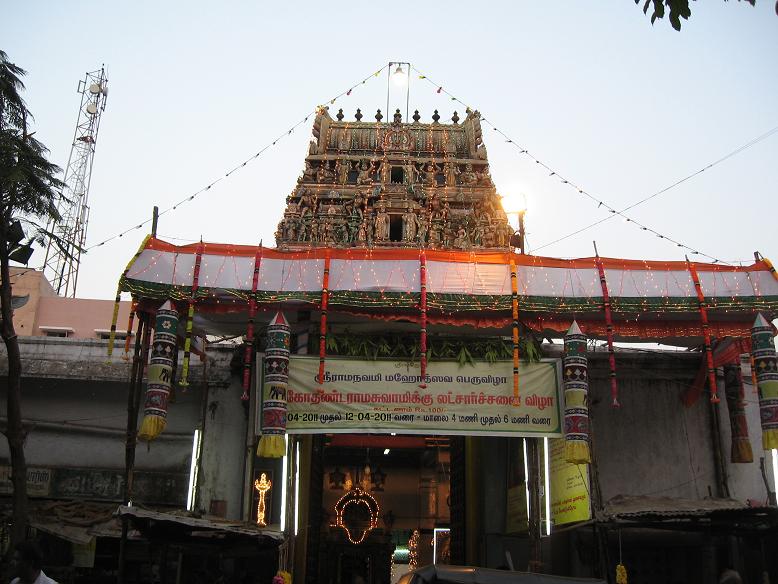
Kapaleeshwarar Kovil

Shiva is worshipped as Kapaleeswarar, Parvati as Karpagambal — “goddess of the wish-yielding tree”. The original seaside shrine is traditionally dated to the 7th century; Portuguese occupation of the coast is the usual explanation for the inland rebuild. The Arubathimoovar festival in Panguni, when the 63 Nayanmars are taken around the four mada streets, is the year’s largest crowd.

Paadal Petra SthalamHR&CEFree entry
San Thome Cathedral Basilica
National shrine

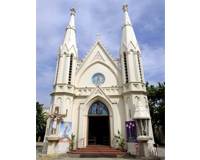
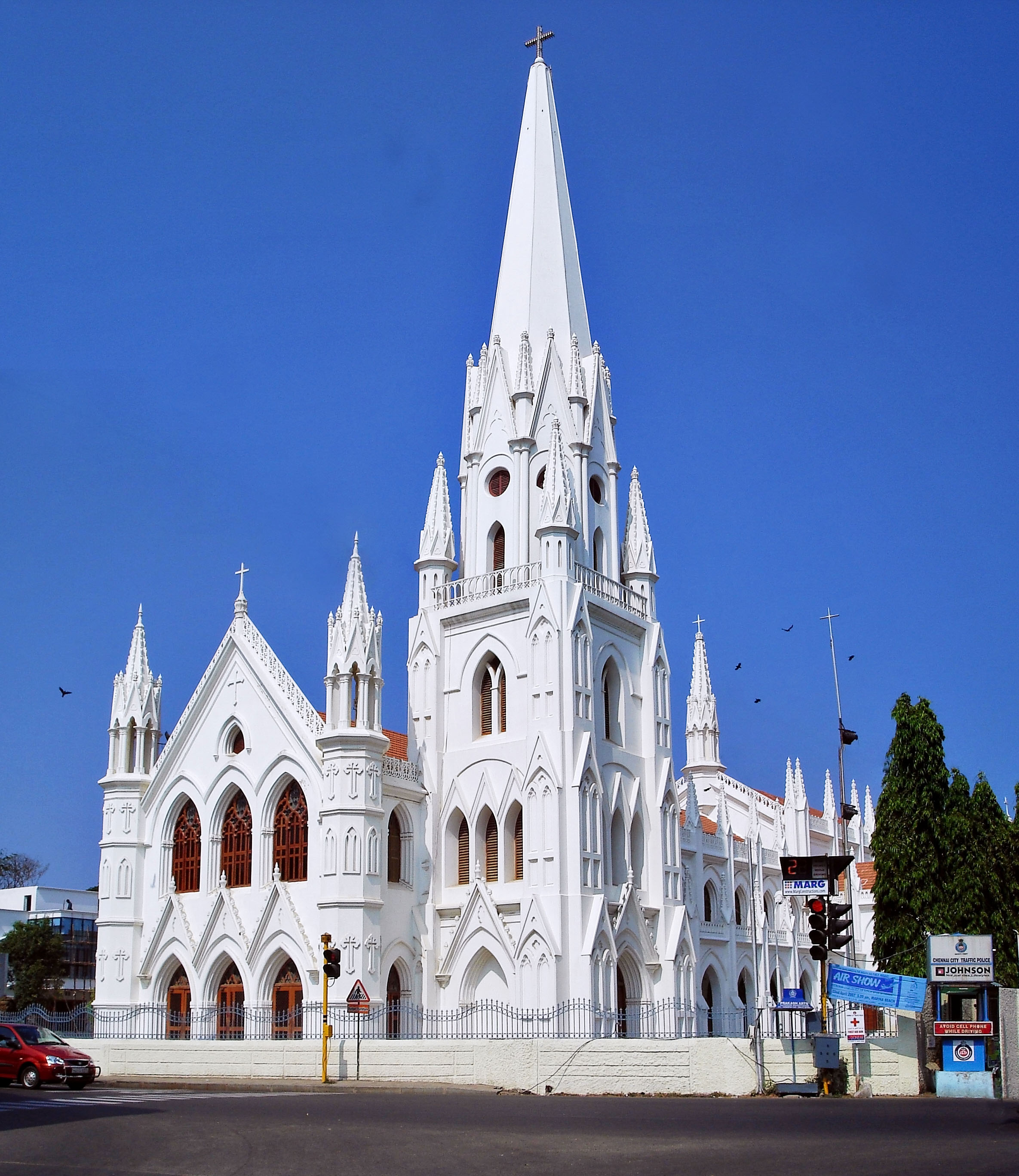
San Thome Basilica

St. Thomas is believed to have reached Tamilakam in 52 AD and been martyred on St. Thomas Mount in 72 AD. The Portuguese rebuilt a church over the tomb in 1523; the present white neo-Gothic cathedral was consecrated in 1896. Pope Pius XII made it a minor basilica in 1956. Pope John Paul II prayed here in 1986. It is one of three churches in the world standing over an apostle’s tomb, with St. Peter’s in Rome and Santiago de Compostela.

Weekday English Mass 6:15 AMTomb chapelMuseum
Church of Our Lady of Guidance, formerly St. Lazarus Church
16th century

St. Lazarus’ Church

Now the Church of Our Lady of Guidance, this was built by the Portuguese in São Tomé de Meliapore. The oldest records date from 1582. It was rebuilt by the Madeiros family in 1637 and again in 1928, and renamed in 1952. It sits in the same Santhome–Mylapore Christian landscape as the basilica.

Portuguese colonyRenamed 1952
Shirdi Sai Baba Temple, Mylapore
1952

Shirdi Sai Baba Temple

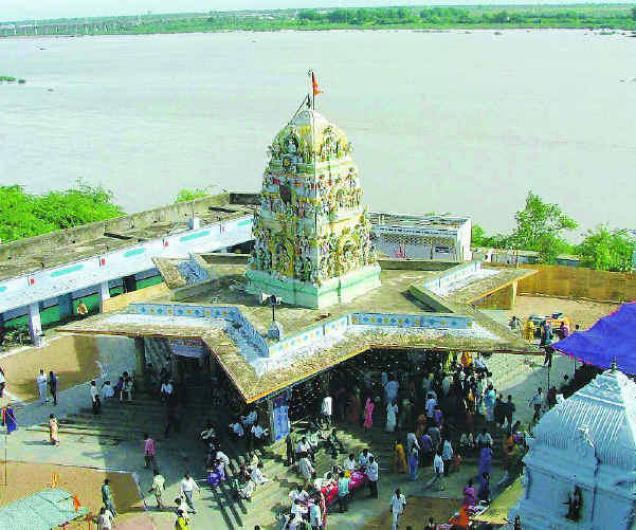
Built by Narasimhaswami with a Chettiar merchant’s gift, this is the headquarters of the All India Sai Samaj. The organisation’s stated purpose was to spread Sai Baba’s teaching of a common fold for communities that had been set against each other. It remains a busy neighbourhood shrine, not only a pilgrimage stop.

All India Sai Samaj HQMylapore
Luz Anjaneya Temple
Hanuman

Luz Anjaneya Temple

Chennai’s oldest Hanuman temple, in the Luz pocket of Mylapore. Salivahana Chettiars from Mysore settled here in the 18th century on land granted by the Nawab of the Carnatic. While digging a well they found a self-manifested Hanuman idol and built the shrine on the spot. A Rama shrine was added in 1954. The temple marked its 200th year in 2000.

Luz18th centurySwayambu
Sri Ramakrishna Math, Chennai
1897

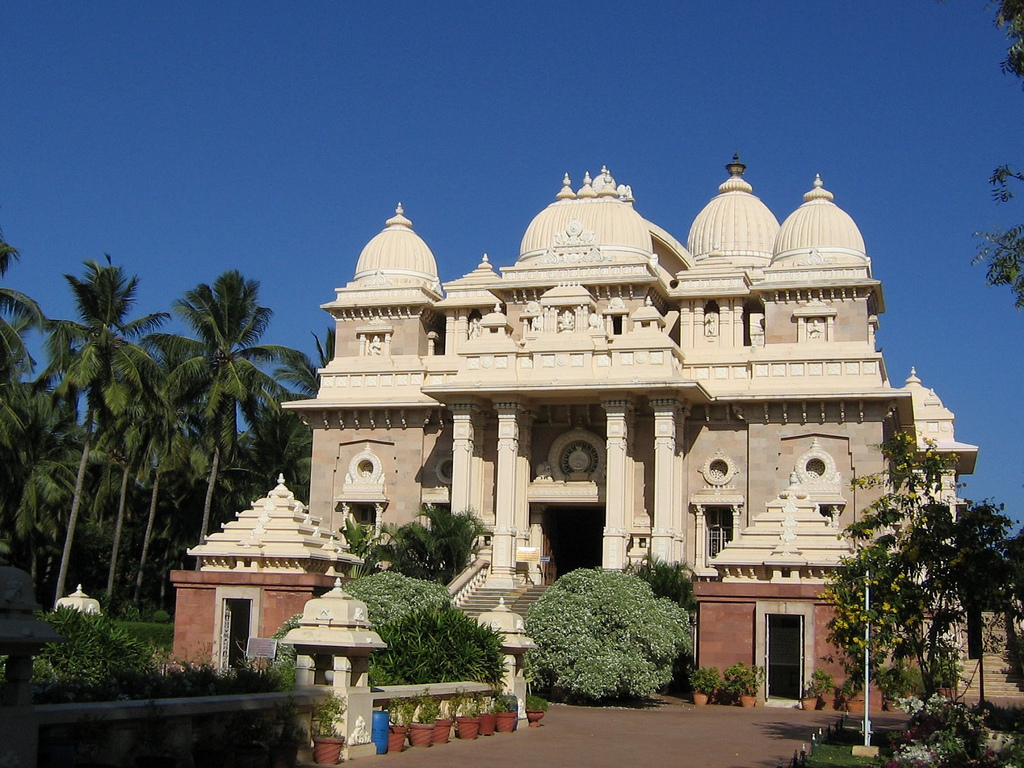
Sri Ramakrishna Math

The first Ramakrishna centre in southern India, started by Swami Ramakrishnananda, a direct disciple of Ramakrishna. Motto: “For one’s own salvation, and for the welfare of the world.” Holy Mother Sri Sarada Devi and several direct disciples visited. The Universal Temple on Ramakrishna Math Road is now one of Mylapore’s most photographed buildings.

Ramakrishna Math RoadFirst southern centre
Neighbourhood through time

A short timeline

~52–72 AD

St. Thomas in Tamilakam

Christian tradition places the apostle’s preaching and martyrdom in this coastal belt; the later basilica stands over the tomb.

7th century

Tevaram and the peacock legend

Kapaleeshwarar is a Paadal Petra Sthalam. The mayil legend gives Mylapore its Tamil name.

1491–1570

Vijayanagara rebuild

The present Kapaleeshwarar masonry belongs to the Tuluva period, after the older seaside shrine was lost.

1523 / 1896

Portuguese church, Gothic cathedral

San Thome is rebuilt over the tomb, then recast as the white neo-Gothic landmark residents know today.

1897–today

Math, sabhas, messes, festival streets

Ramakrishna Math, Carnatic sabhas, silk houses and tiffin messes turn Mylapore into Chennai’s cultural neighbourhood, not only a temple town.

Self-guided walks

See it on foot

Sacred Mylapore Walk

East, West, North and South Mada Streets, the tank, flower market, and the gopuram from the tank steps.

Santhome Heritage Walk

Basilica, tomb chapel, St. Lazarus / Our Lady of Guidance, and the coastal edge towards Marina.

Luz & Math Trail

Luz Anjaneya, Ramakrishna Math Road, and the residential lanes between Luz Corner and the temple.